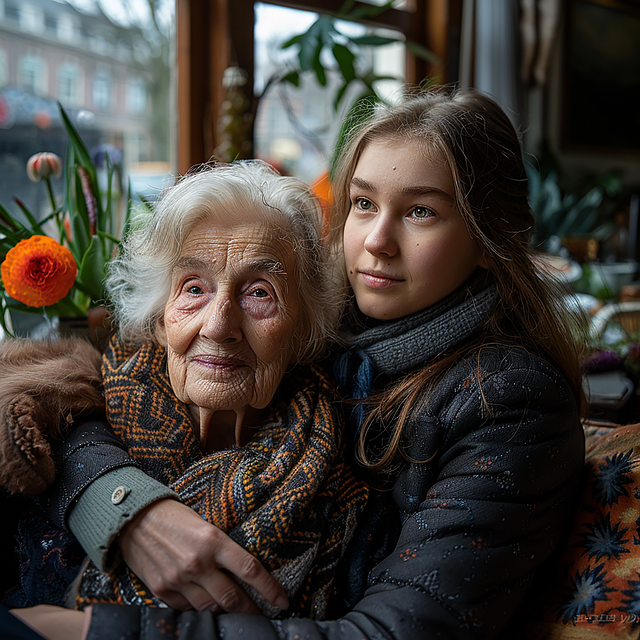
Elderly isolation is a growing concern, with retirement, loss of loved ones, and reduced mobility contributing to decreased social interactions for seniors living alone or with limited mobility. Elderly Companion Services offer tailored companionship, assistance with daily tasks, and social engagement opportunities, addressing these challenges effectively. These services mitigate risks of loneliness and isolation, alleviating depression and anxiety, and promoting the overall well-being of isolated seniors. By fostering meaningful conversations, encouraging leisure activities, and aiding with daily tasks, Elderly Companion Services enhance safety, maintain independence, and improve quality of life for seniors, using both in-person interactions and technology to create a supportive environment. Choosing the right service involves assessing specific needs, considering personalized care, experienced caregivers, flexible plans, and budget-friendliness.
“In many modern societies, senior isolation is a growing concern, particularly for those living alone. This article explores effective strategies to combat this issue, focusing on the vital role of social interaction in enhancing elderly well-being. We delve into the effects of loneliness on seniors’ mental and physical health and present numerous benefits of Elderly Companion Services.
Furthermore, it provides practical tips for families and caregivers on fostering social connections, ultimately guiding them towards choosing the best companion services to ensure their loved ones stay engaged and connected.”
- Understanding the Isolation of Seniors
- The Impact of Social Interaction on Elderly Well-being
- Benefits of Companion Services for Isolated Individuals
- Strategies to Enhance Social Connections for Seniors
- Choosing the Right Elderly Companion Service
Understanding the Isolation of Seniors

Isolation is a significant challenge faced by many seniors, especially those living alone or with limited mobility. It’s crucial to recognize that loneliness can have severe physical and mental health impacts on the elderly population. With age comes a natural decline in social interactions, often exacerbated by factors like retirement, loss of loved ones, reduced mobility, or living far from family and friends. This sense of isolation can lead to depression, anxiety, cognitive decline, and even increased risk of physical health issues.
Elderly Companion Services play a vital role in combating this growing concern. These services provide companionship, assistance with daily tasks, and opportunities for social engagement tailored to the unique needs and preferences of seniors. From friendly visits to structured activities, companions help bridge the gap, fostering connections that combat isolation and promote well-being among the elderly community.
The Impact of Social Interaction on Elderly Well-being

Social interaction plays a pivotal role in promoting the overall well-being of isolated seniors. Loneliness and social isolation can have severe detrimental effects on mental and physical health, increasing the risk of depression, cognitive decline, and even cardiovascular issues. Regular social engagement offers a protective shield against these risks, acting as an essential component in maintaining senior citizens’ quality of life. It fosters a sense of belonging, enhances self-worth, and provides emotional support, all of which contribute to improved mental resilience.
Elderly Companion Services emerge as a powerful tool to combat isolation by offering personalized companionship and social interaction tailored to the unique needs and preferences of seniors. These services not only facilitate meaningful conversations but also encourage participation in leisure activities, thus creating opportunities for social bonding and a sense of community. By addressing the pressing need for social connection, Elderly Companion Services significantly contribute to the overall well-being and happiness of isolated seniors.
Benefits of Companion Services for Isolated Individuals

For isolated seniors, Elderly Companion Services offer a lifeline, providing not just companionship but also enhanced safety and improved quality of life. These services cater to the unique needs of elderly individuals who may struggle with mobility, social isolation, or cognitive decline, ensuring they remain connected to their communities. By offering regular visits from trained companions, these services provide a sense of security and reduce feelings of loneliness that often come with age.
The benefits extend beyond emotional well-being; companion services assist with daily tasks, encourage engagement in meaningful activities, and facilitate social interactions. This holistic approach not only boosts physical health but also mental acuity, fostering an environment where seniors feel valued and respected. With Elderly Companion Services, isolated individuals can maintain their independence while enjoying the comfort of companionship and care tailored to their specific needs.
Strategies to Enhance Social Connections for Seniors

Creating opportunities for social interaction is vital for elderly companion services, as it helps combat the loneliness that can isolate seniors. Simple yet effective strategies include organizing regular social gatherings and activities tailored to their interests—think book clubs, game nights, or even walking groups. These activities not only provide a chance for conversation but also encourage physical activity, contributing to the overall well-being of seniors.
Technology can be another powerful tool in enhancing social connections. Utilizing video calls, social media platforms, and online communities specifically designed for seniors allows them to stay connected with family and friends, even when face-to-face interactions are limited. Elderly Companion Services can facilitate these digital connections, ensuring that seniors have the support they need to navigate new technologies effectively.
Choosing the Right Elderly Companion Service
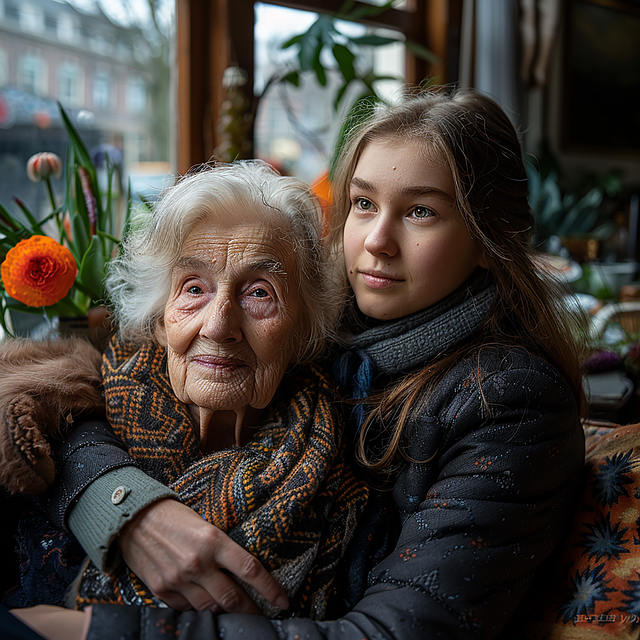
Choosing the right Elderly Companion Service is a crucial step in ensuring social interaction and overall well-being for isolated seniors. It’s important to note that each senior has unique needs, so assessing their specific requirements is essential. Services should offer personalized care, catering to individual preferences and abilities. Look for organizations with experienced caregivers who are trained in engaging elderly individuals through meaningful conversations, leisure activities, and assistance with daily tasks.
When selecting a companion service, consider factors such as flexibility, availability, and the range of services provided. Some companies may specialize in specific areas like transportation, home assistance, or just companionship. In terms of cost, many services offer customizable plans to suit different budgets. Remember that the goal is to find a reliable partner who can fill social gaps and contribute to the happiness and independence of seniors.
The isolation faced by many seniors can have severe consequences on their mental and physical health. However, social interaction plays a pivotal role in enhancing their well-being. By implementing strategies such as companion services and community engagement, we can significantly improve the quality of life for isolated seniors. Choosing the right elderly companion service is crucial, focusing on personalized care and fostering meaningful connections. With dedicated efforts, we can break through isolation’s barriers, ensuring that our senior citizens remain active, connected, and fulfilled in their later years.